
Published: April 8, 2026
In many upholstery projects, the materials you don’t see are
just as important as the ones on the surface. Webbing serves as a critical
support layer in furniture, automotive seating, and a variety of utility
applications. From traditional jute webbing used beneath springs to elastic and
rubber webbing systems used in modern furniture, each type plays a specific
role. Understanding the different types of webbing can help you choose the
right support material for your project.
Polypropylene Webbing
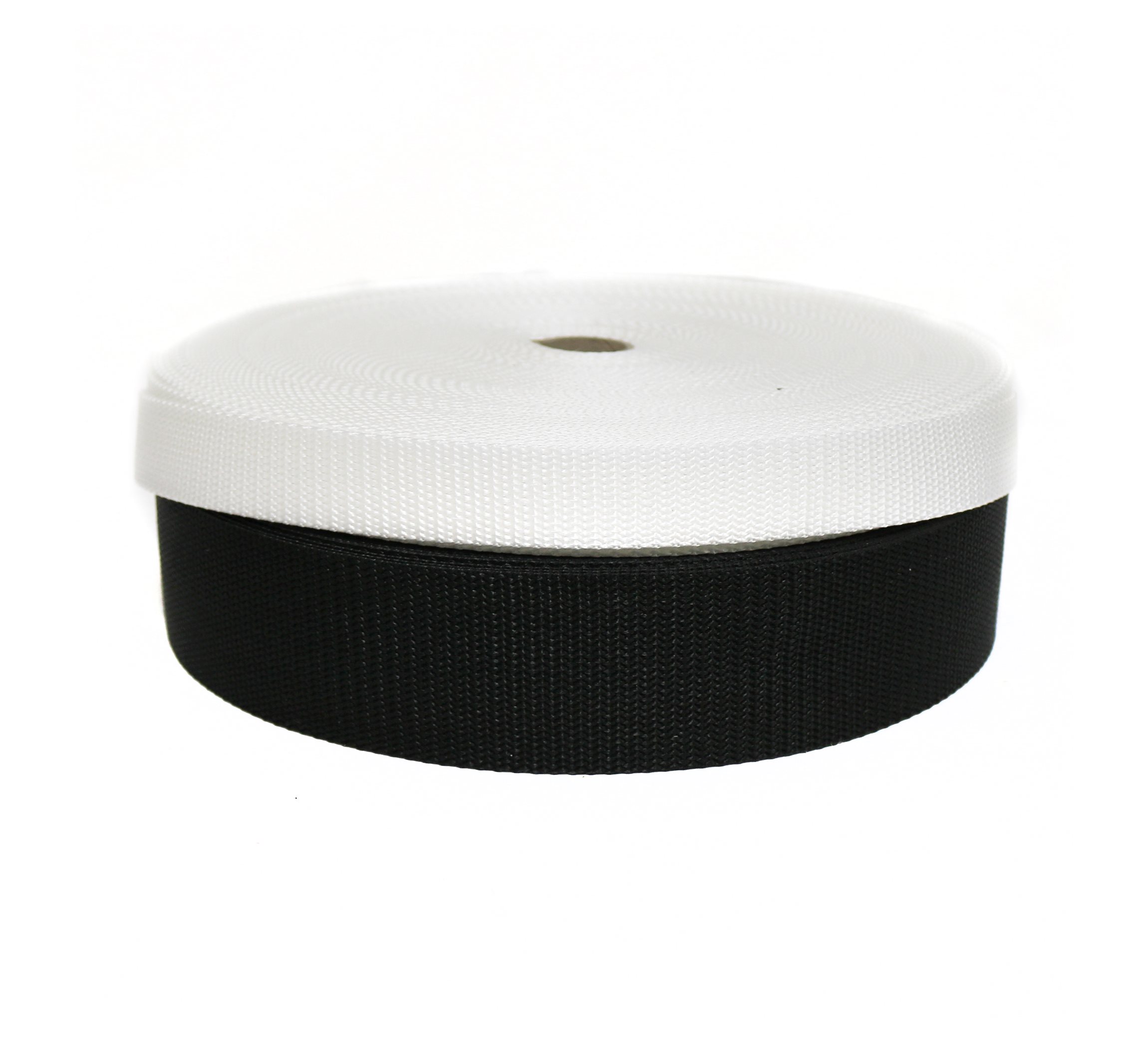
Heavy Duty Polypropylene Webbing is a versatile and durable
material commonly used in a wide range of utility and canvas applications. Its
thicker construction provides added strength and a comfortable grip, making it
a great choice for projects where durability and ease of handling are
important.
This webbing works well for canvas and transportation
covers, sports and utility bags, luggage straps, backpack straps, and sturdy
bag handles. It is also commonly used for pet collars, leashes, and harnesses,
along with many other general-purpose strapping applications.
Polypropylene webbing is also an economical option, making
it a practical choice for many everyday projects. While it is designed for a
wide range of uses, it is not intended for heavy weight-bearing or towing
applications.
Seatbelt Webbing
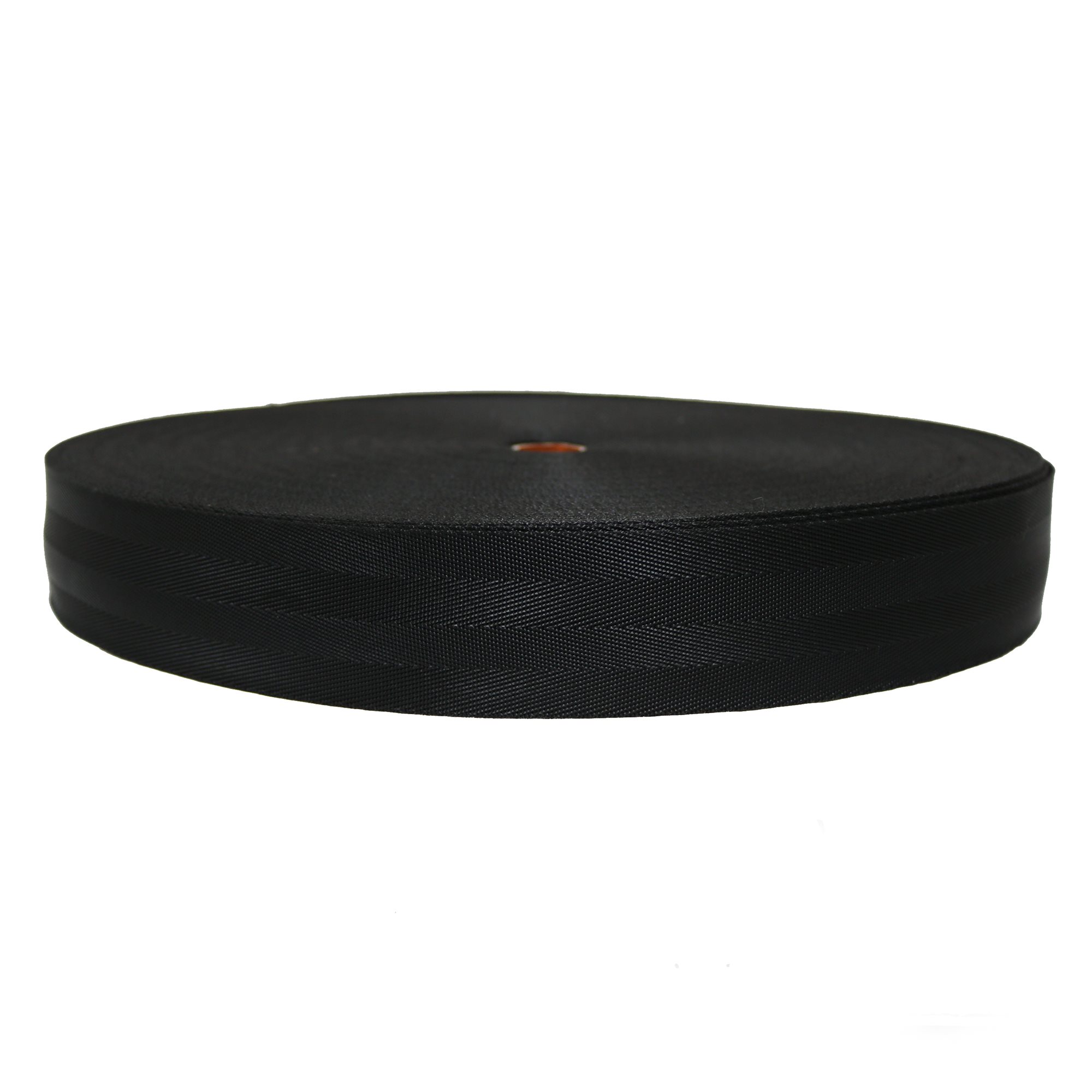
Seatbelt webbing is specially designed for use in automotive
safety systems. Made from 100% polyester, this extra-strong webbing features a
multi-panel woven construction that provides exceptional tensile strength and
durability.
Because of its strength and reliability, seatbelt webbing is
engineered to withstand significant stress while maintaining flexibility and
comfort. This construction allows it to perform consistently in automotive
seatbelt systems and other heavy-duty applications where safety and durability
are essential.
Jute Webbing
Jute webbing is a traditional material used in furniture
upholstery to create a strong foundation beneath springs and padding. Made from
natural, closely woven jute fibers, it is durable, non-stretch, and designed to
provide reliable support within furniture frames.
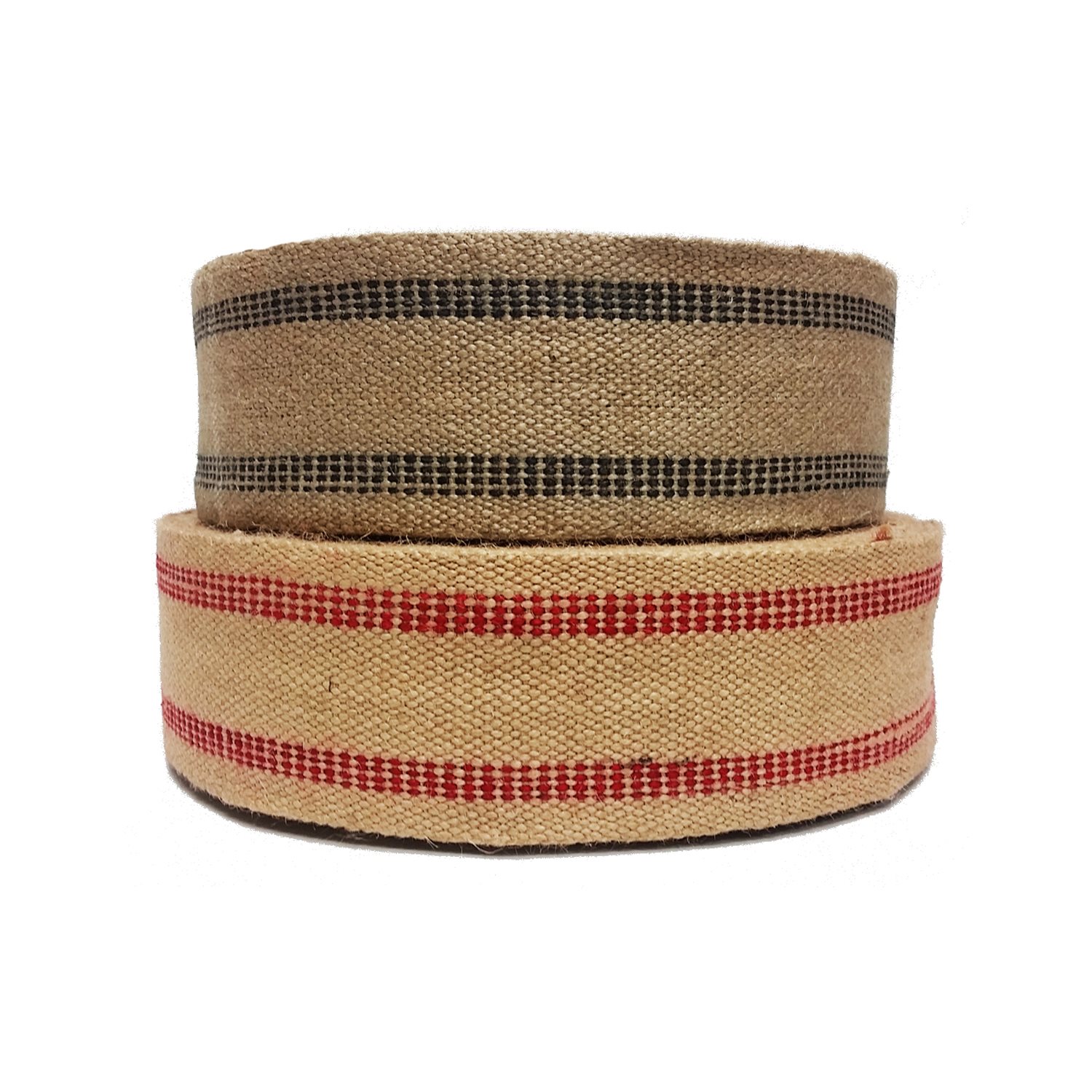
Two common weights are used in upholstery work. The lighter 9lb
jute webbing, traditionally marked with a black stripe, is typically used in
areas that require support but also benefit from some flexibility. Upholsterers
commonly use this webbing in inside backs, arms, and other lighter-load
sections of furniture. Its flexibility makes it easier to work with when
shaping the gentle curves found in armrests or chair backs.
The heavier 11lb jute webbing, marked with a red stripe, is
designed specifically for the seat of the furniture where more support is
needed. This heavy-duty webbing is stretched tightly across the frame to
support coil springs or zigzag springs. Its rigid structure helps prevent
sagging and ensures that the spring system functions correctly over time.
Ultraflex Webbing
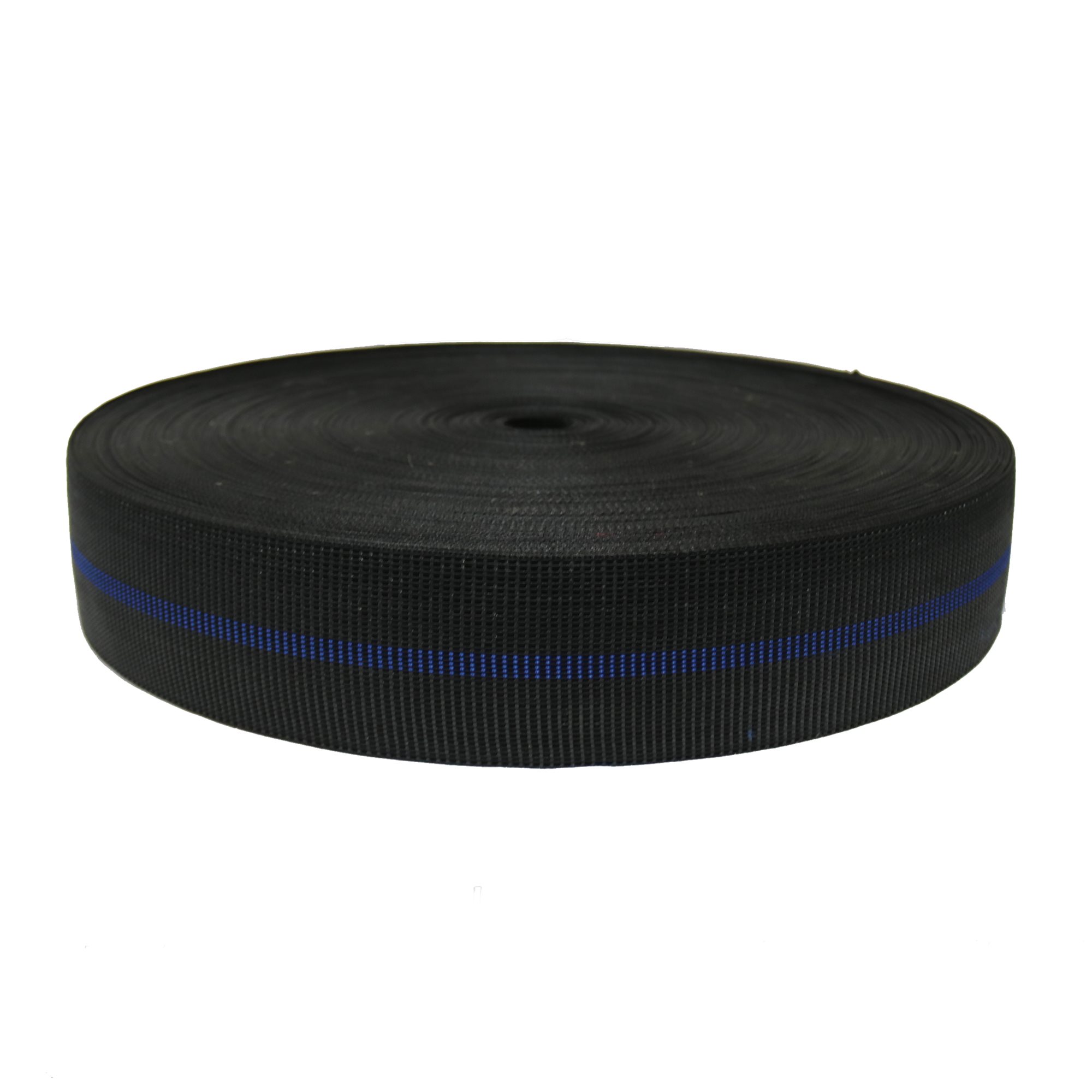
Ultraflex webbing is commonly used in modern upholstered
furniture such as sofas and chairs. This elastic webbing provides a flexible
support system that can replace or supplement traditional spring systems.
With approximately 10% stretch, Ultraflex webbing creates a
foundation beneath foam cushions that allows for controlled flexibility while
still maintaining structural support. Unlike garment elastic, furniture elastic
webbing is specifically engineered to withstand continuous heavy loads and
repeated use cycles. This balance of strength and flexibility helps maintain
comfort while preserving the shape and structure of the furniture.
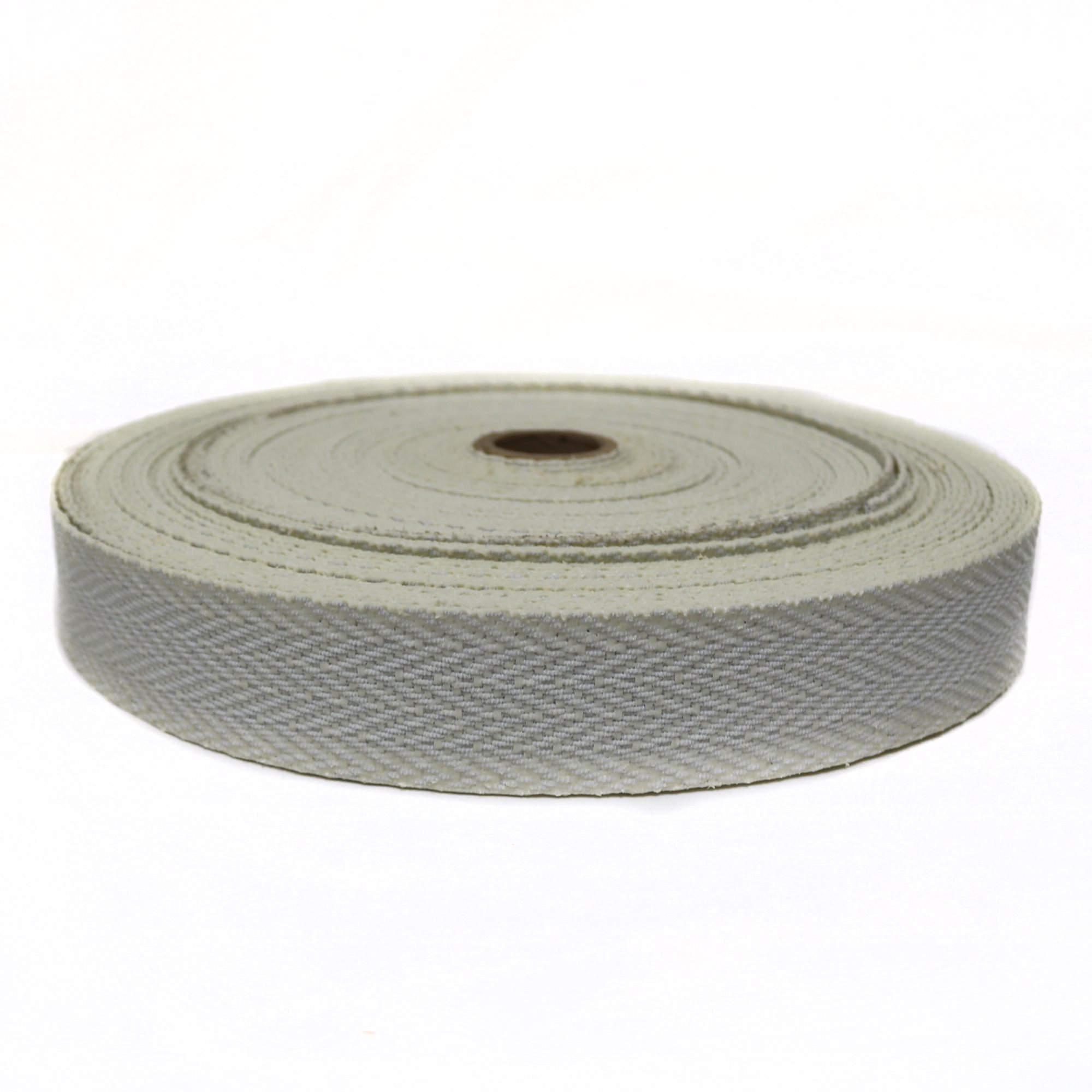
Rubber Webbing
Rubber webbing is another support material used in
upholstered furniture. Known for its strength and elasticity, rubber webbing
can eliminate the need for coil springs in certain furniture designs, helping
reduce production costs while still providing durable support.
Rubber webbing is simple to install and can be attached to
the furniture frame using staples, tacks, or specialized webbing clips. In some
furniture designs, the webbing is secured into grooves in the frame using
grips. Its resilience and flexibility make it a reliable support system for
many types of couches and upholstered seating.
Choosing the Right Webbing
Each type of webbing serves a different purpose depending on the application. Polypropylene webbing works well for straps and lightweight utility uses, while seatbelt webbing provides the strength required for automotive safety systems. Jute webbing remains a traditional choice for furniture construction, while Ultraflex and rubber webbing offer flexible support options for modern upholstered seating.
Understanding the differences between these materials can help you select the right webbing for your project, ensuring long-lasting performance and reliable support.
